
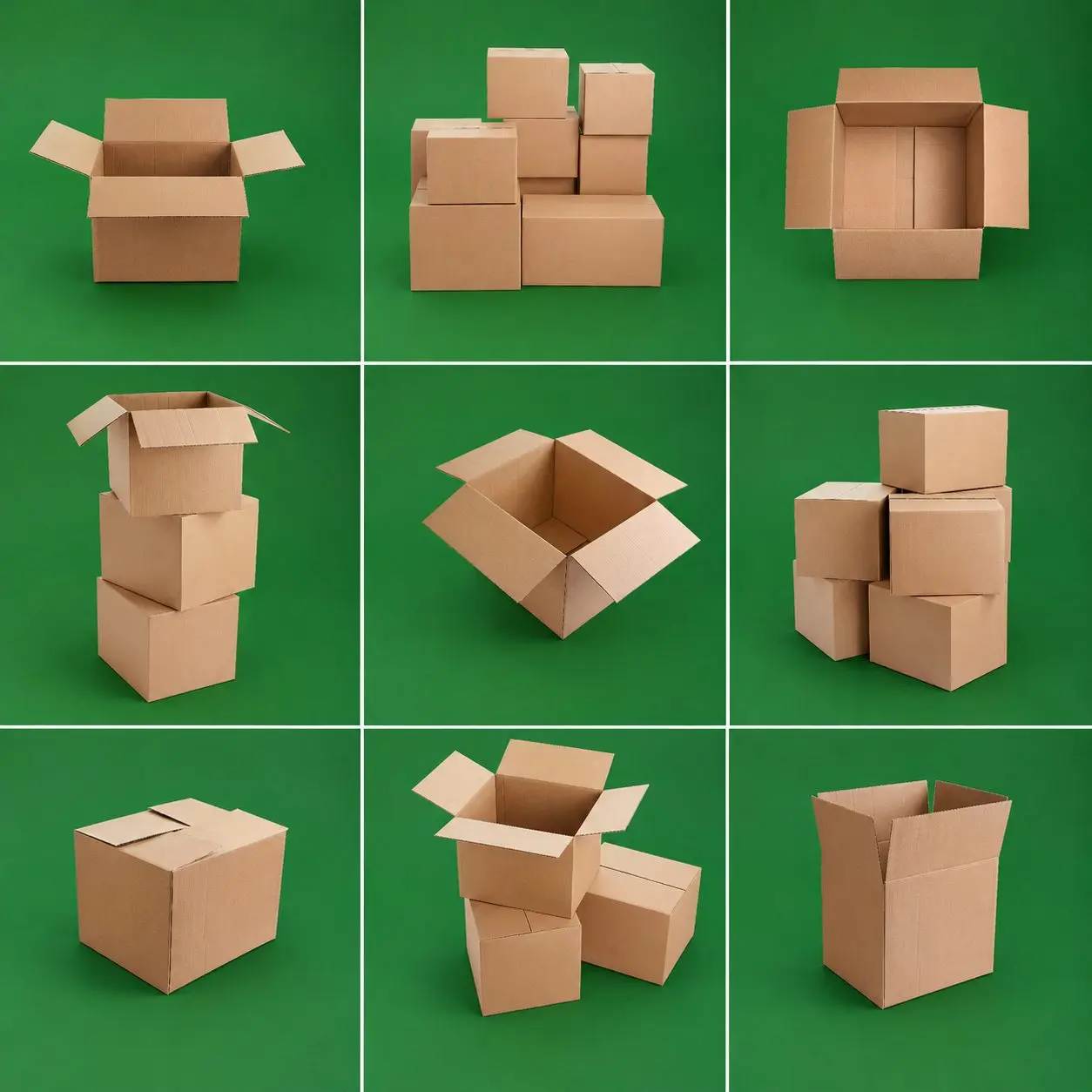
Why are some boxes brown and others white?
The difference lies in the outer paper layer, the liner. It determines appearance and print quality – but not stability.
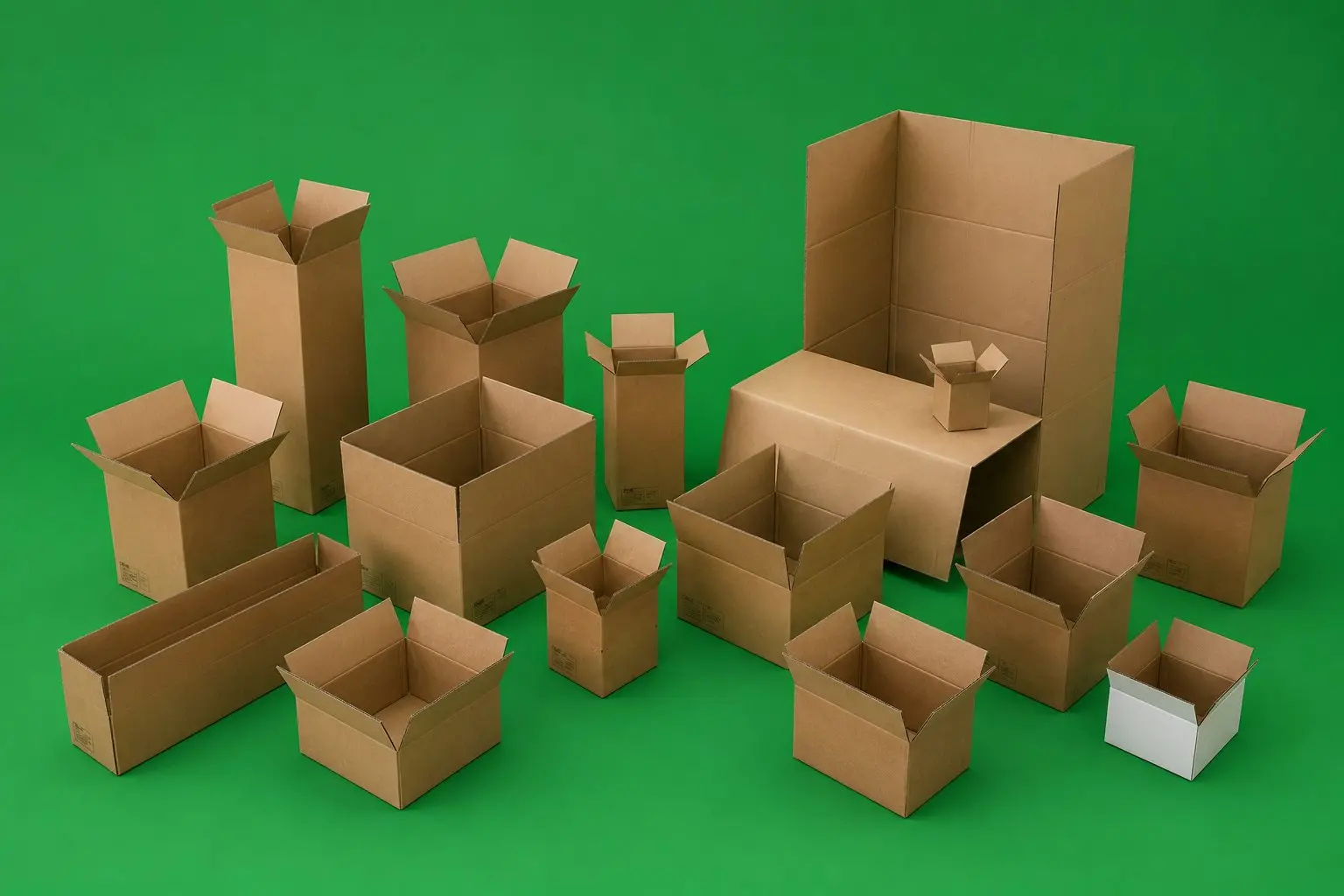
Where does the colour of a box come from?
Corrugated board consists of fluting paper and liner papers. Different papers can be used for the outer liner – brown or white.
White liner: For high-quality printing and a clean brand presence, for example in e-commerce or at the point of sale.
Brown liner: For a natural look that many customers associate with sustainability – and for shipping and industrial packaging where function is what counts.
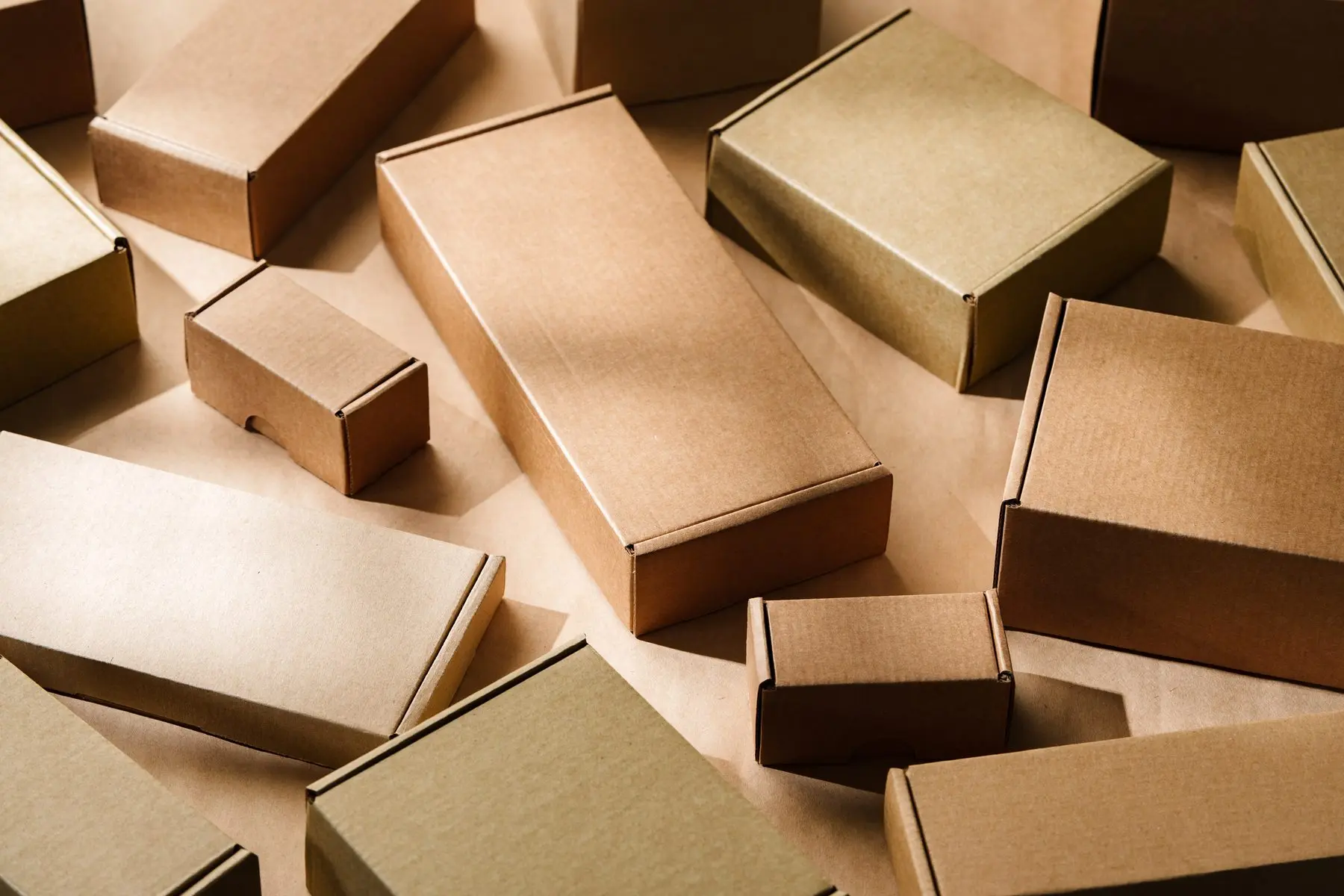
Is a white box stronger than a brown one?
No. The colour of the liner says nothing about stability.
How much a box can carry depends on:
Structure of the corrugated board: single, double or triple wall, flute type.
Papers used: quality and weight of the layers.
Design: style, dimensions, closure and fittings.
We advise based on what the box is actually used for – not on its colour.
View displays & POSBrown or white – what suits which purpose?
Frequently asked questions about brown and white corrugated board
Because a white paper is used for the outer paper layer. This ensures more brilliant print and a clean brand presence.
No. The colour of the liner has no influence on load-bearing capacity. That depends on the structure of the corrugated board, the papers and the design.
When the box should leave a brand impression with the recipient or on the shelf – for example in e-commerce, on displays or at the point of sale.
Yes. Up to 4 colours in flexo printing, up to 6 colours in offset printing, or digital for smaller quantities. Colours look more brilliant on a white liner.
The brown look is often associated with sustainability. However, the colour alone says nothing about the environmental footprint of a specific box – we are happy to advise you on material and design.
WidenBOX is FSC®-certified (FSC-C184624).
Brown, white or printed – we advise based on use
Tell us the product, shipping route, quantity and printing requirements – we propose material and printing process.